
1985 Tiffany
Topps Tiffany & Topps Traded Tiffany Factory Sets
1985 Topps Tiffany & Traded Tiffany Set
Print Run: 5,000
The 1985 Topps Tiffany and Topps Traded Tiffany sets were made available exclusively to hobby dealers in cases containing six complete sets. The 792-card factory set and the Traded set were packaged and distributed separately.
The 1985 Tiffany set box features a solid blue design accented by an ornate gold border pattern and the classic gold foil seal bearing the words "CONTAINS ONE COMPLETE SET" printed in blue ink. The bottom of the box is white.
Each 792-card Tiffany set was stamped with a unique set number in black ink, while Traded Tiffany sets were not serial numbered.
It is generally believed that approximately 5,000 1985 Topps Tiffany sets were produced, making them significantly scarcer than their regular-issue counterparts and one of the more desirable Tiffany releases among collectors.
The 1985 Topps Tiffany and Topps Traded Tiffany sets were made available exclusively to hobby dealers in cases containing six complete sets. The 792-card factory set and the Traded set were packaged and distributed separately.
The 1985 Tiffany set box features a solid blue design accented by an ornate gold border pattern and the classic gold foil seal bearing the words "CONTAINS ONE COMPLETE SET" printed in blue ink. The bottom of the box is white.
Each 792-card Tiffany set was stamped with a unique set number in black ink, while Traded Tiffany sets were not serial numbered.
It is generally believed that approximately 5,000 1985 Topps Tiffany sets were produced, making them significantly scarcer than their regular-issue counterparts and one of the more desirable Tiffany releases among collectors.
1985 Topps Tiffany -vs- Base Cards
The 1985 Topps Tiffany cards can be distinguished from their regular-issue counterparts by their white card stock and high-gloss finish. In addition, authentic Tiffany cards do not have the asterisk (*) before the copyright line and do not contain the words "PRTD. IN U.S.A." on the reverse.
Many sellers on eBay and other marketplaces mistakenly, or intentionally, list regular-issue cards as Tiffany cards. For cards from the 792-card factory set, the easiest way to identify a Tiffany card is by examining the back. Authentic Tiffany cards feature a clean white background, while regular-issue cards typically have a grayish appearance.
It is important to note that some sellers digitally brighten photographs of regular cards to make the backs appear whiter than they actually are. As a result, online images can sometimes be misleading.
Advances in modern printing technology have also made it possible for counterfeit Tiffany reprints to be produced. Some of these fakes can closely resemble authentic cards, making it difficult or even impossible to determine authenticity from photographs alone.
Once the card is in hand, the best method of authentication is to compare its thickness and gloss to a known authentic Tiffany card from the same year. Genuine Tiffany cards have a distinct premium feel and finish that is difficult for counterfeit examples to accurately replicate.
Many sellers on eBay and other marketplaces mistakenly, or intentionally, list regular-issue cards as Tiffany cards. For cards from the 792-card factory set, the easiest way to identify a Tiffany card is by examining the back. Authentic Tiffany cards feature a clean white background, while regular-issue cards typically have a grayish appearance.
It is important to note that some sellers digitally brighten photographs of regular cards to make the backs appear whiter than they actually are. As a result, online images can sometimes be misleading.
Advances in modern printing technology have also made it possible for counterfeit Tiffany reprints to be produced. Some of these fakes can closely resemble authentic cards, making it difficult or even impossible to determine authenticity from photographs alone.
Once the card is in hand, the best method of authentication is to compare its thickness and gloss to a known authentic Tiffany card from the same year. Genuine Tiffany cards have a distinct premium feel and finish that is difficult for counterfeit examples to accurately replicate.
1985 Tiffany Traded -vs- Base Traded Cards
Topps Traded Tiffany cards can be difficult to distinguish from regular Topps Traded cards, particularly when evaluating cards from photographs alone. Both versions feature white card backs, making identification more challenging than with the standard 792-card Tiffany set.
One of the best indicators is the shade of green used on the reverse of the card. On authentic Tiffany Traded cards, the green typically appears darker and more olive in color, while regular Traded cards tend to display a brighter green shade.
Another useful identifying characteristic is the absence of the double asterisks (**), which are commonly found at the bottom center of regular Traded card backs. Authentic Tiffany Traded cards should not have these markings.
Because these differences can be subtle and are often difficult to accurately assess from photographs, online images alone are rarely sufficient to confirm authenticity. Once the card is in hand, the best method is to compare its thickness and gloss to a known authentic Tiffany Traded card from the same year.
If an authentic Tiffany example is not available, comparing the card to a regular Traded card can also be helpful. Genuine Tiffany Traded cards feature a noticeable glossy finish on the front, while regular Traded cards have a flatter, less reflective surface. The premium card stock and gloss coating are among the most reliable indicators of an authentic Tiffany Traded card.
One of the best indicators is the shade of green used on the reverse of the card. On authentic Tiffany Traded cards, the green typically appears darker and more olive in color, while regular Traded cards tend to display a brighter green shade.
Another useful identifying characteristic is the absence of the double asterisks (**), which are commonly found at the bottom center of regular Traded card backs. Authentic Tiffany Traded cards should not have these markings.
Because these differences can be subtle and are often difficult to accurately assess from photographs, online images alone are rarely sufficient to confirm authenticity. Once the card is in hand, the best method is to compare its thickness and gloss to a known authentic Tiffany Traded card from the same year.
If an authentic Tiffany example is not available, comparing the card to a regular Traded card can also be helpful. Genuine Tiffany Traded cards feature a noticeable glossy finish on the front, while regular Traded cards have a flatter, less reflective surface. The premium card stock and gloss coating are among the most reliable indicators of an authentic Tiffany Traded card.
1985 Topps Tiffany Key Rookie Cards
The 1985 Topps Tiffany set is loaded with star power and contains several of the most important rookie cards of the decade.
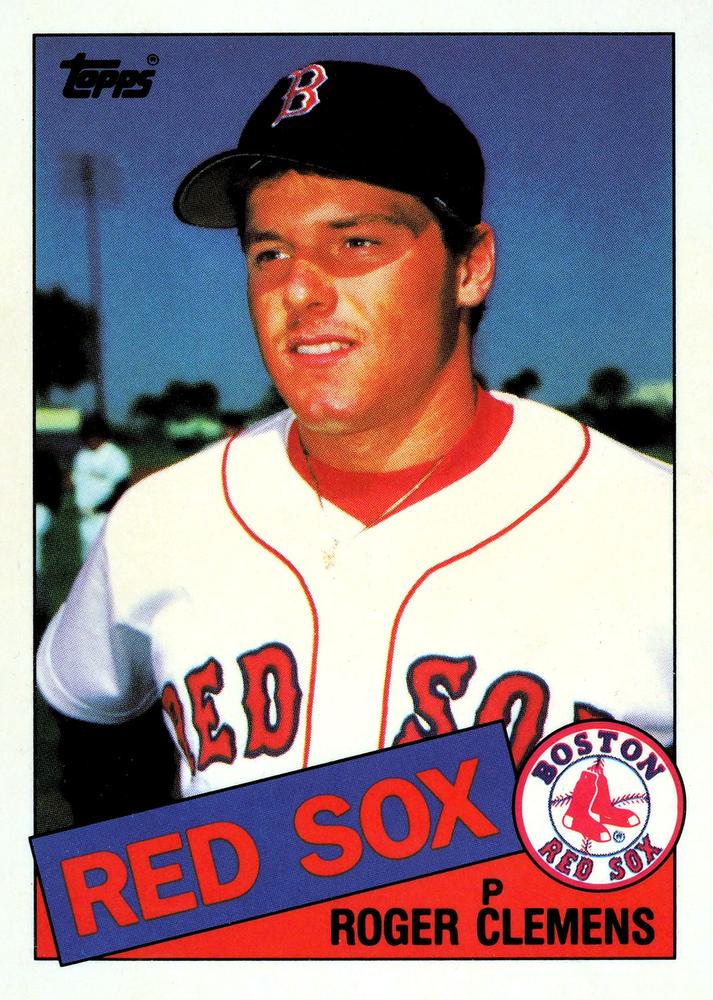
#181 Roger Clemens is one of the premier cards in the set. Clemens went on to win seven Cy Young Awards, the most in Major League Baseball history, and recorded 4,672 career strikeouts.
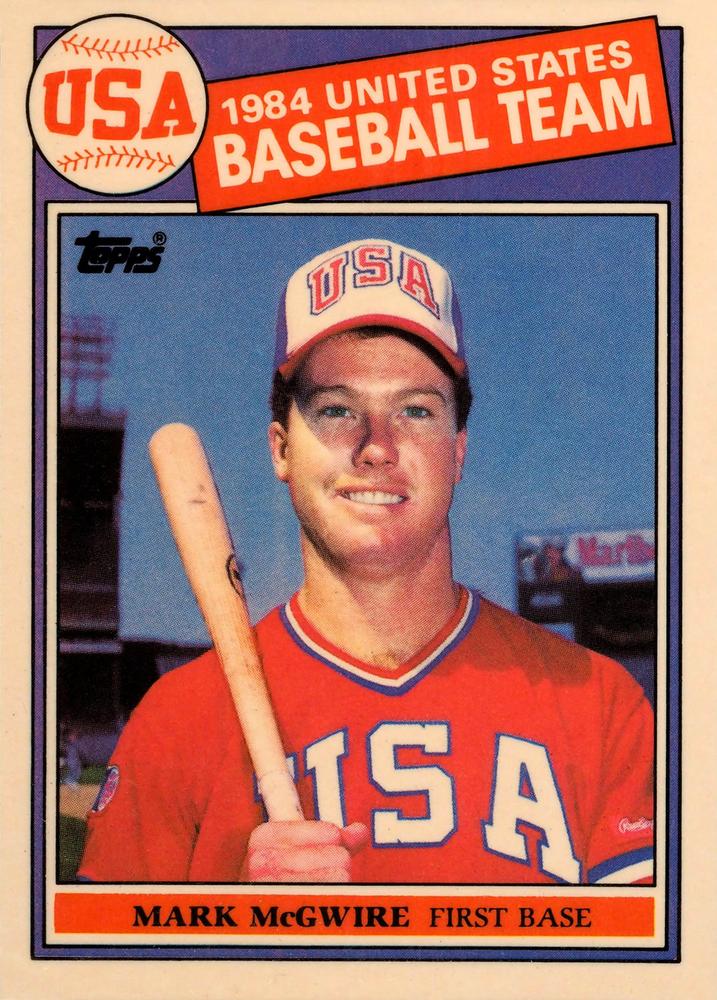
#401 Mark McGwire features McGwire's popular Olympic rookie card. McGwire became one of baseball's most prolific home run hitters and famously broke the single-season home run record in 1998 with 70 home runs.
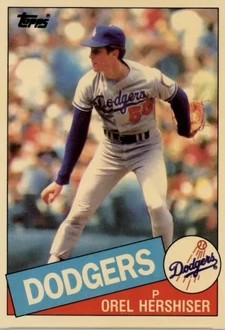
#493 Orel Hershiser represents the rookie card of the Dodgers ace who set a Major League record with 59 consecutive scoreless innings in 1988 and led Los Angeles to a World Series championship that same season.
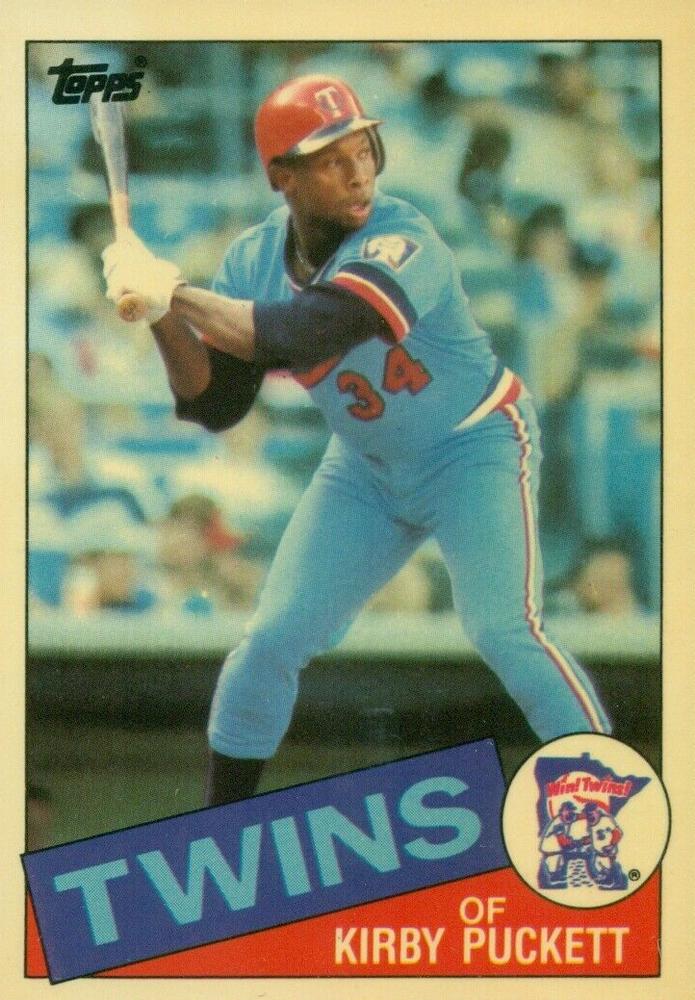
#536 Kirby Puckett is one of the most beloved cards in the set. Puckett became a ten-time All-Star and is perhaps best remembered for his dramatic Game 6 walk-off home run during the 1991 World Series.
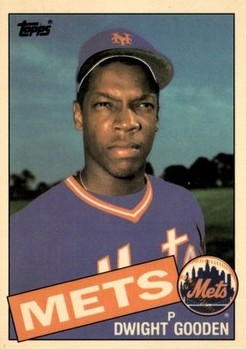
#620 Dwight Gooden captures one of the most dominant young pitchers in baseball history. In 1985, at just 20 years old, Gooden won the Cy Young Award after posting a remarkable 24-4 record with a 1.53 ERA and 268 strikeouts.
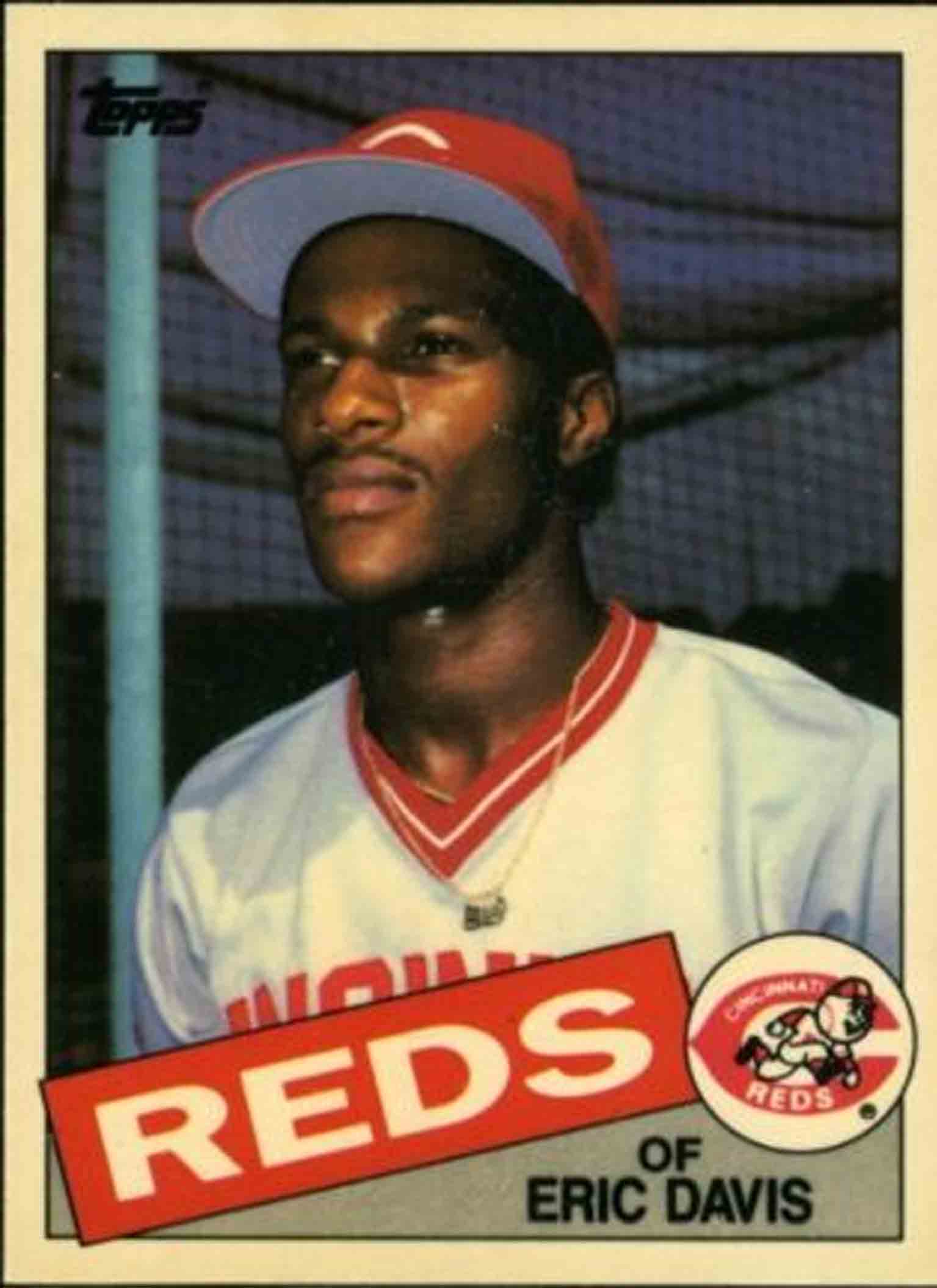
#627 Eric Davis features one of the most electrifying players of the 1980s. Davis became the first player in Major League history to hit at least 30 home runs and steal 50 bases in the same season.
The 1985 Topps Traded Tiffany set also contains the important #24T Vince Coleman XRC. Coleman burst onto the scene by stealing 110 bases during his rookie season and went on to lead the National League in stolen bases for six consecutive years.
The set also includes the final Topps card of Hall of Famer #352 Joe Morgan. Morgan was a two-time National League MVP, ten-time All-Star, and a key member of Cincinnati's "Big Red Machine" dynasty of the 1970s.
These iconic rookies, XRCs, and final player cards help make the 1985 Topps Tiffany and Topps Traded Tiffany sets among the most desirable and historically significant Tiffany releases ever produced.
#181 Roger Clemens is one of the premier cards in the set. Clemens went on to win seven Cy Young Awards, the most in Major League Baseball history, and recorded 4,672 career strikeouts.
#401 Mark McGwire features McGwire's popular Olympic rookie card. McGwire became one of baseball's most prolific home run hitters and famously broke the single-season home run record in 1998 with 70 home runs.
#493 Orel Hershiser represents the rookie card of the Dodgers ace who set a Major League record with 59 consecutive scoreless innings in 1988 and led Los Angeles to a World Series championship that same season.
#536 Kirby Puckett is one of the most beloved cards in the set. Puckett became a ten-time All-Star and is perhaps best remembered for his dramatic Game 6 walk-off home run during the 1991 World Series.
#620 Dwight Gooden captures one of the most dominant young pitchers in baseball history. In 1985, at just 20 years old, Gooden won the Cy Young Award after posting a remarkable 24-4 record with a 1.53 ERA and 268 strikeouts.
#627 Eric Davis features one of the most electrifying players of the 1980s. Davis became the first player in Major League history to hit at least 30 home runs and steal 50 bases in the same season.
The 1985 Topps Traded Tiffany set also contains the important #24T Vince Coleman XRC. Coleman burst onto the scene by stealing 110 bases during his rookie season and went on to lead the National League in stolen bases for six consecutive years.
The set also includes the final Topps card of Hall of Famer #352 Joe Morgan. Morgan was a two-time National League MVP, ten-time All-Star, and a key member of Cincinnati's "Big Red Machine" dynasty of the 1970s.
These iconic rookies, XRCs, and final player cards help make the 1985 Topps Tiffany and Topps Traded Tiffany sets among the most desirable and historically significant Tiffany releases ever produced.
Affiliate Disclosure: Some card links may be affiliate links. If you click a link and make a purchase, TiffanyCards.com may earn a commission at no additional cost to you.